
PRINT Design That Doesn't Feel Like an Afterthought
What is Print + Packaging Design?
Print and packaging design covers the physical pieces of your brand: business cards, packaging, trade show materials, merch, and everything else that exists outside your website.
It's easy to treat print as an afterthought once the digital work is done, but for product-based businesses especially, packaging is often the first (and most tactile) impression a customer gets.
Okay, but what do you DO?
Every print piece is built from the same visual identity as your website and brand, so a business card or product label doesn't look like a decision made separately, months later, by someone trying to remember what the brand colors were. Consistency here is what makes a brand feel considered instead of assembled.

Everyday Business Collateral
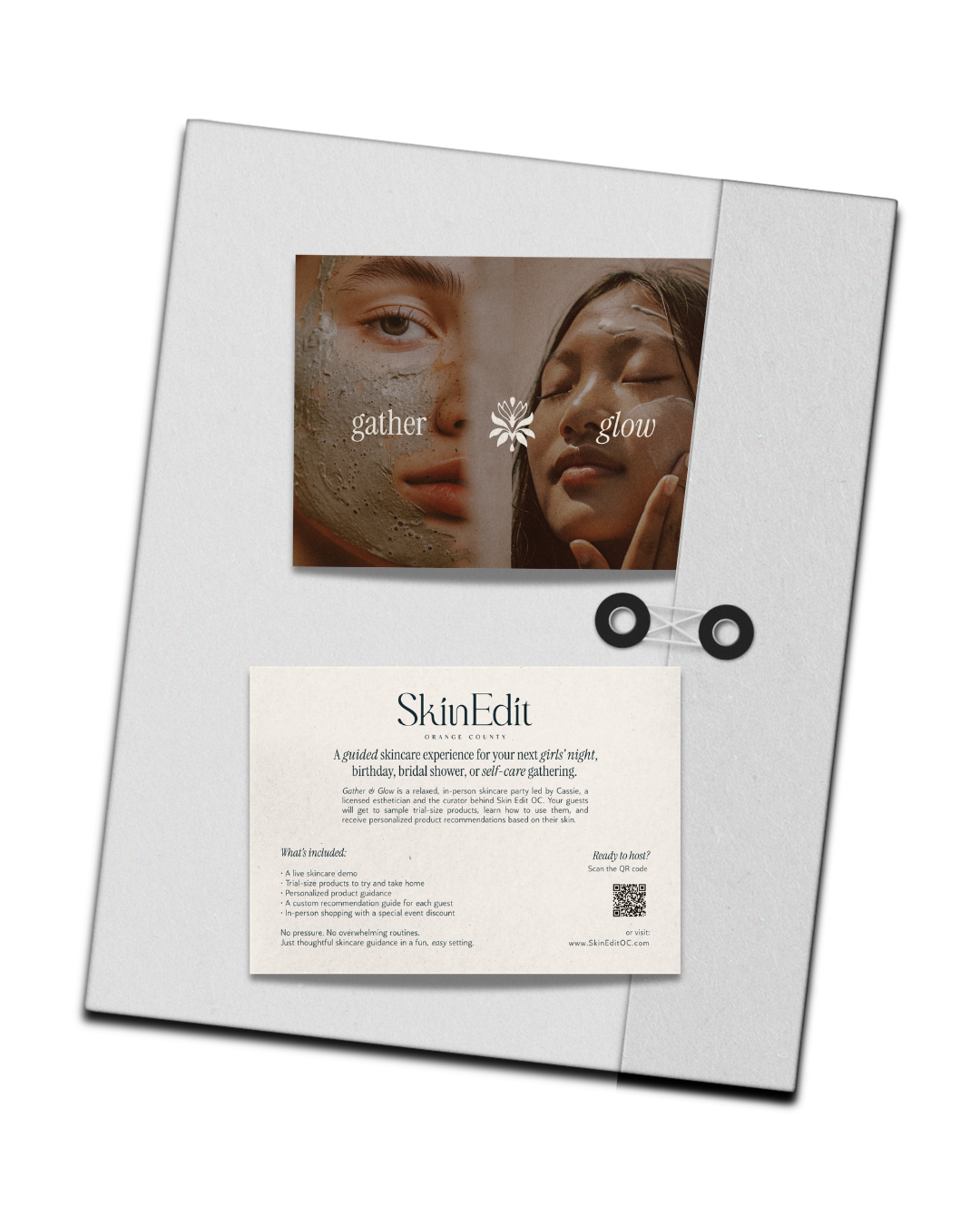
Business cards, letterhead and stationery, notecards, rate sheets or service menus, and presentation folders, the pieces most businesses need at some point, designed to actually look like they belong to you instead of a template pack.

Packaging
Product labels, boxes and mailers, tissue paper, stickers and seals, gift tags, and care instruction inserts. This is where a product-based brand either feels premium and considered or gets forgotten the moment the box is opened.
Trade Show & Event Materials
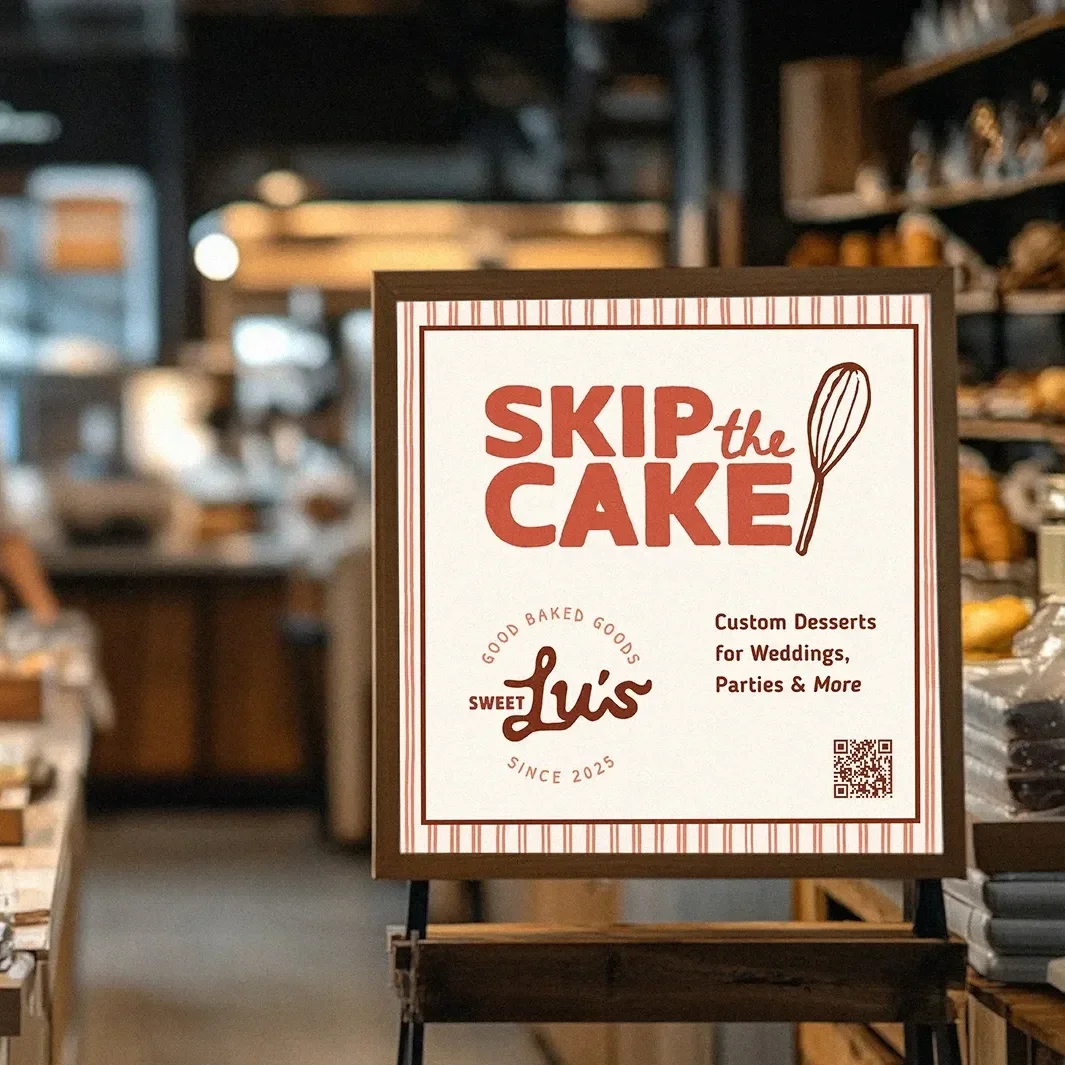
Banners, step-and-repeats, table runners, event handouts, and signage, built for the specific moment a business is standing in front of a room instead of behind a screen.
Brand Merch
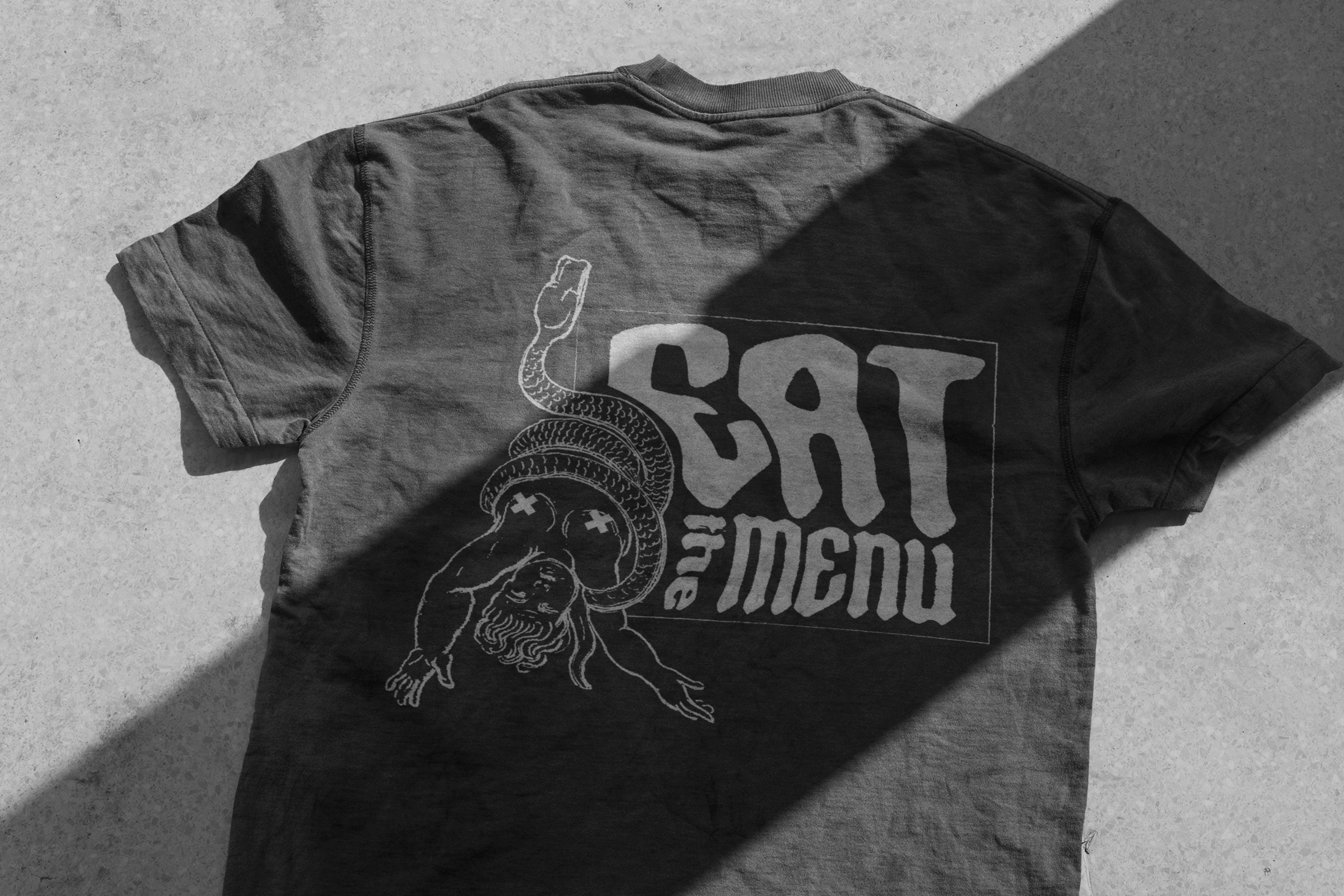
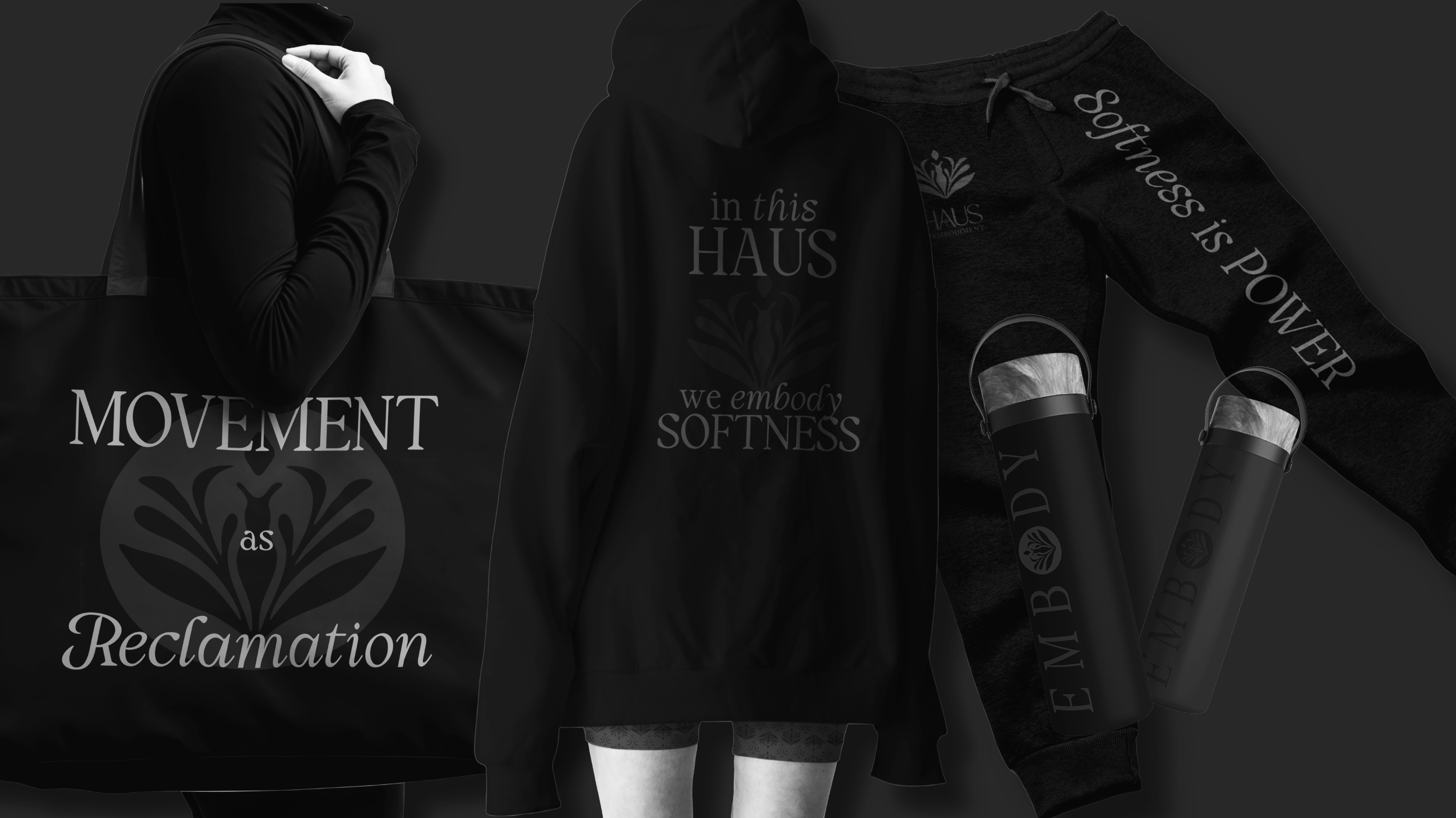
T-shirts, tote bags, hats, and stickers designed to actually get worn and used, not the kind of branded merch that ends up in a drawer. This is a newer offering but a natural extension of the same brand system, merch is just packaging for a person instead of a product.
What to Know About Print + Packaging Design
Up to three print or digital marketing pieces are included in The Flagship under the Marketing Pieces deliverable, chosen based on what actually matters for your business. This service pairs closely with brand design, since print pieces are only as strong as the visual system they're pulling from, and with photography when product imagery is part of the packaging itself.
Need help picking a print lab? After 15 years doing this, I know which ones do good work, including consumer-accessible options with finishes like velvet coating for that extra tactile, premium feel. Just ask.
Common Questions
What print pieces are included in The Flagship?
Up to three print or digital marketing pieces, chosen based on what's most useful for your business, whether that's business cards, packaging, trade show materials, merch, or something else entirely.
Do you handle printing, or just the design?
Design is the core deliverable. I don't handle production myself, but after 15 years in this industry I know which print labs do good work, including several consumer-accessible options that offer finishes like velvet coating for a more tactile, premium feel. Just ask and I'll point you in the right direction.